Switching to Homemade Dog Food
Switching to homemade dog food can feel overwhelming at first.
There is a lot of information online about raw diets, cooked meals, supplements, allergies, balancing nutrients, and what dogs should or should not eat.
The good news is that you do not have to do everything perfectly on day one.
This page may contain affiliate or sponsored links. If you click or book through certain links, we may earn a commission at no additional cost to you.

Most dogs do better when the transition happens gradually.
That gives their stomach time to adjust and gives you time to learn what works best for your dog.
This page explains how we switched Layla from kibble to homemade food, what worked, what did not, and what we would do differently.
If you want to see what Layla actually eats now, read What Layla Eats: How We Feed Layla Homemade Dog Food.
Why We Switched Layla to Homemade Food
When Layla first came to us, she was eating the kibble recommended by the rescue.
Once we decided to adopt her, we knew we wanted to switch her to homemade food.
Homemade dog food was not new to us.
We had fed our previous dogs homemade food for years and felt more comfortable knowing exactly what was going into their meals.
For Layla, the decision became even more important because she was itchy and we wanted more control over ingredients.
We started by doing an allergy test and then built meals around foods she tolerated well.
How Long Does It Take to Switch?
Most dogs do best with a gradual transition that takes about 2 to 3 weeks.
Some dogs can switch faster, especially if they have strong stomachs and do well with new foods.
Other dogs may need more time, especially if they have allergies, digestive issues, or have eaten the same kibble for years.
The goal is not to rush.
A slower transition usually makes it easier to spot problems and gives your dog more time to adjust.
Why You Should Usually Start Slowly
Most dogs do better with a slow transition.
Switching too fast can upset their stomach and make it harder to tell which foods are working and which foods are not.
Starting slowly also gives you time to learn how your dog reacts to different proteins, vegetables, supplements, and snacks.
A slower transition is especially important for:
- Dogs with sensitive stomachs
- Dogs with allergies
- Picky eaters
- Dogs already having digestive issues
- Dogs that have eaten the same kibble for a long time
01
Start Slowly
We took a slower approach with Layla and focused more on helping her adjust than making every meal perfect right away.
02
Use Simple Foods
In the beginning, we kept things bland and simple with lean proteins, rice, and easy-to-digest ingredients.
03
Stay Flexible
There were times we had to take a step backwards, simplify meals, or slow down the transition, and that is completely normal.
How We Transitioned Layla
We started by slowly mixing homemade food into Layla’s kibble. At first, we kept the meals very simple.
Some people online recommend switching faster, but we decided to move more slowly because Layla already seemed to have some acid reflux when she ate fattier foods.
We started with simple proteins, rice, and smaller homemade portions. For the first week or two, many of her meals were closer to half meat and half rice because rice helped settle her stomach and made the transition easier.
As Layla adjusted, we slowly reduced the rice and started moving toward a more balanced homemade meal. That meant adding more vegetables, more protein variety, organ meats, and supplements over time.
During the first week or two, we were not focused on making every meal perfectly balanced. We were more focused on helping Layla adjust, finding foods she tolerated well, and avoiding stomach upset.
Foods We Started With
When switching to homemade food, it usually helps to start with simple ingredients.
We started with:
- Lean proteins
- Rice
- Sweet potatoes
- Easy-to-digest vegetables
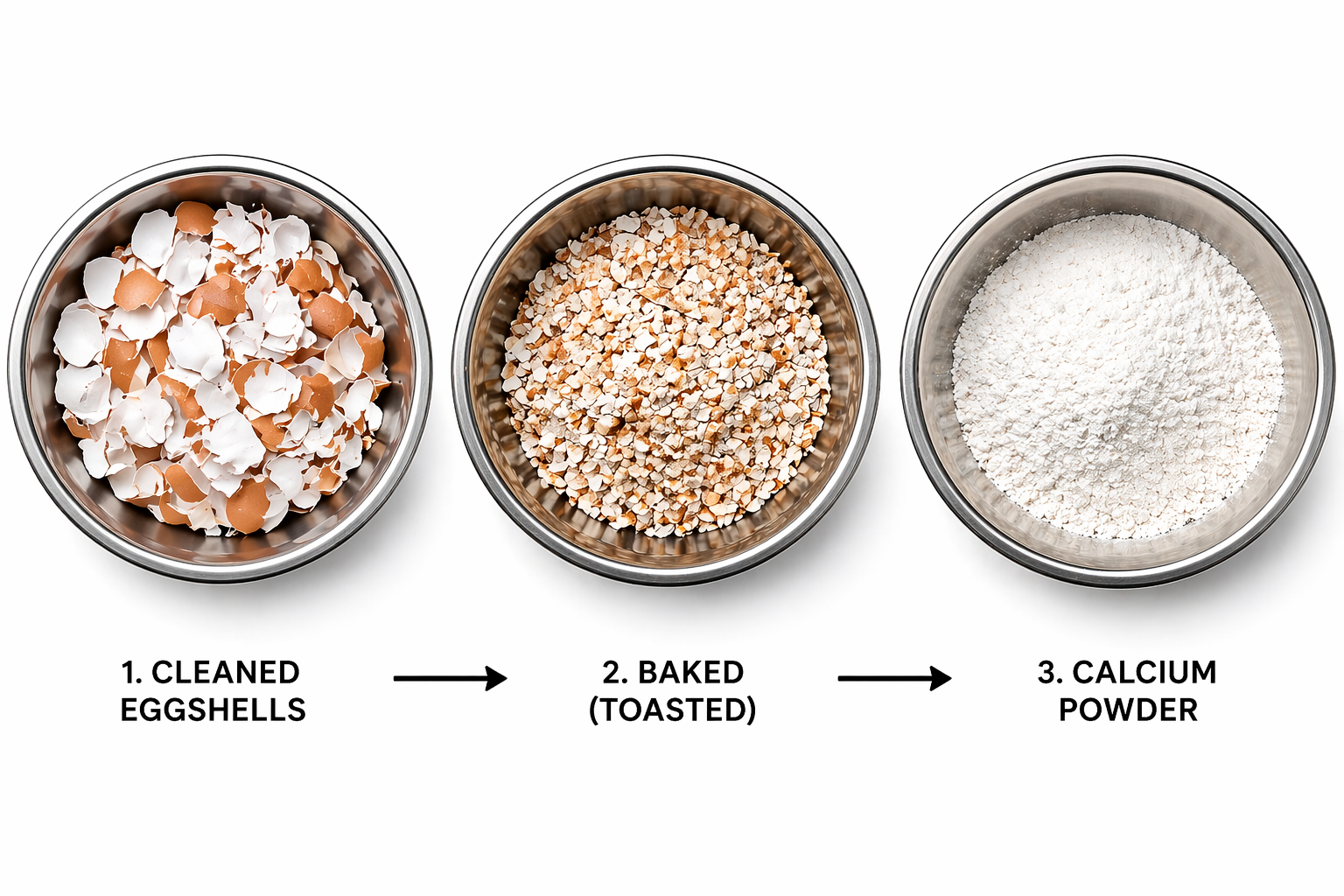
- Calcium
- A few basic supplements
Later, once Layla was doing better, we slowly started adding more ingredients like organ meats, different vegetables, fish oil, probiotics, and other supplements.
Signs Your Dog Is Adjusting Well
Some signs that the transition is going well can include:
- More excitement around meals
- Better energy
- Healthier stools
- Less itching
- A shinier coat
- Maintaining a healthy weight
- Less begging between meals
For Layla, we noticed she became more interested in food, seemed more satisfied after meals, and had less itching once we figured out which foods worked best for her.
Signs You May Need to Slow Down
Some dogs need a slower transition.
Signs that you may need to slow down include:
- Diarrhea
- Vomiting
- Refusing meals
- Constipation
- Increased itching
- Weight loss
- Stomach upset
If your dog is struggling, it can help to go back to simpler meals, reduce the number of ingredients, and transition more slowly.
Mistakes We Made Along the Way
One of the biggest mistakes we made early on was thinking every meal had to be perfect.
Other mistakes we made included:
- Trying too many ingredients at once
- Switching too quickly
- Not understanding calcium enough at first
- Overcomplicating meals
- Buying too many ingredients without a plan
We learned that homemade dog food works better when you focus on balance over time.
Our Biggest Advice
Keep it simple.
You do not need dozens of ingredients, expensive supplements, or perfectly balanced meals right away.
Start with a few foods your dog tolerates well and build from there.
Track what works, pay attention to how your dog responds, and remember that every dog is different.
Homemade dog food gets easier over time.
Frequently Asked Questions
These are some of the most common questions we had when switching Layla to homemade food, along with what worked for us during the transition.
Can You Switch a Dog to Homemade Food Overnight?
No. We did not switch Layla overnight because she seemed to have acid reflux from fattier foods and did better with a slower transition.
How Long Did It Take Layla to Adjust to Homemade Food?
It took a few weeks before Layla was fully eating homemade meals comfortably. We started with simple foods like rice and lean proteins and slowly added more variety.
What Foods Did Layla Start With?
We started with lean proteins, rice, sweet potatoes, and a few easy-to-digest vegetables before adding more ingredients.
Latest From Layla's Bowl
See the latests articles and posts from Layla's Bowl.