Homemade Dog Food Nutrition Basics
Learn the basics of homemade dog food nutrition, including protein, vegetables, carbs, calcium, healthy fats, organ meats, supplements, and how to build balanced meals for your dog.
Layla’s Bowl is here to make it simpler.
This page may contain affiliate or sponsored links. If you click or book through certain links, we may earn a commission at no additional cost to you.

What You Will Learn
The goal of Layla’s Bowl is to make homemade dog food feel less overwhelming by breaking it into simple, practical topics you can learn one step at a time.
Homemade Dog Food Basics
Learn what goes into a homemade meal, including proteins, vegetables, carbs, healthy fats, and supplements.
Ingredients We Use
See the proteins, vegetables, fruits, carbs, and extras we use most often in Layla’s meals.
Supplements and Balance
Learn about calcium, fish oil, probiotics, organ meats, and other things we use to help create more balanced meals.
Meal Prep and Routine
See how we prep Layla’s meals, portion food, store ingredients, and make homemade feeding easier.
Transitioning From Kibble
Learn how we switched Layla from kibble to homemade food, including mistakes we made and what we would do differently.
What Homemade Dog Food Really Means
When people think about dog food, they often think about kibble or canned food.
Homemade feeding shifts that mindset toward building meals from real ingredients while still thinking carefully about nutrition.
The goal is not to make every bowl look exactly the same. The goal is to create better balance over time.
Why Homemade Dog Food Can Feel Overwhelming
Homemade dog food can feel confusing at first because there is so much information online.
You will see people talking about raw diets, cooked diets, supplements, calories, organ meats, calcium, percentages, and ingredients that dogs should or should not eat.
Some people make it sound like every meal has to be perfect.
It does not.
The goal is to understand the basics, build better meals over time, and figure out what works best for your dog.
Why Balance Matters
Homemade dog food is not just about feeding meat. Dogs also need calcium, healthy fats, vitamins, minerals, and enough variety over time to support overall health.
One of the biggest mistakes people make is assuming every meal has to be perfect. In reality, balance usually happens over time through ingredient variety, consistent calcium, healthy fats, organ meats, and thoughtful supplement use.
- Dogs need more than just protein
- Calcium is one of the most important parts of homemade food
- Healthy fats help support skin, coat, and joints
- Organ meats provide important vitamins and minerals
- Variety over time matters more than perfect meals
- Balance is built across days and weeks, not just one bowl
The Basics of Homemade Dog Food
One of the biggest things we learned is that homemade dog food is not just meat. Not every meal has to be perfect.
Protein
Protein is usually the biggest part of a homemade meal and helps support muscle, energy, and overall health.
Common examples:
- Chicken
- Turkey
- Ground beef
- Venison
- White fish
- Eggs
Vegetables
Vegetables can add fiber, nutrients, hydration, and variety. Cooked vegetables are often easier for dogs to digest than raw vegetables.
Common examples:
- Broccoli
- Green beans
- Carrots
- Spinach
- Cucumbers
- Sweet potatoes
Carbs
Carbs are optional and sometimes controversial, but they can help make meals more filling and sustainable long term.
Common examples:
- Rice
- Potatoes
- Sweet potatoes
- Oatmeal
- Quinoa
- Beans
Healthy Fats
Healthy fats help support skin, coat, inflammation, and joint health.
Common examples:
- Fish oil
- Sardines
- Eggs
- Salmon
- Plain yogurt
Calcium
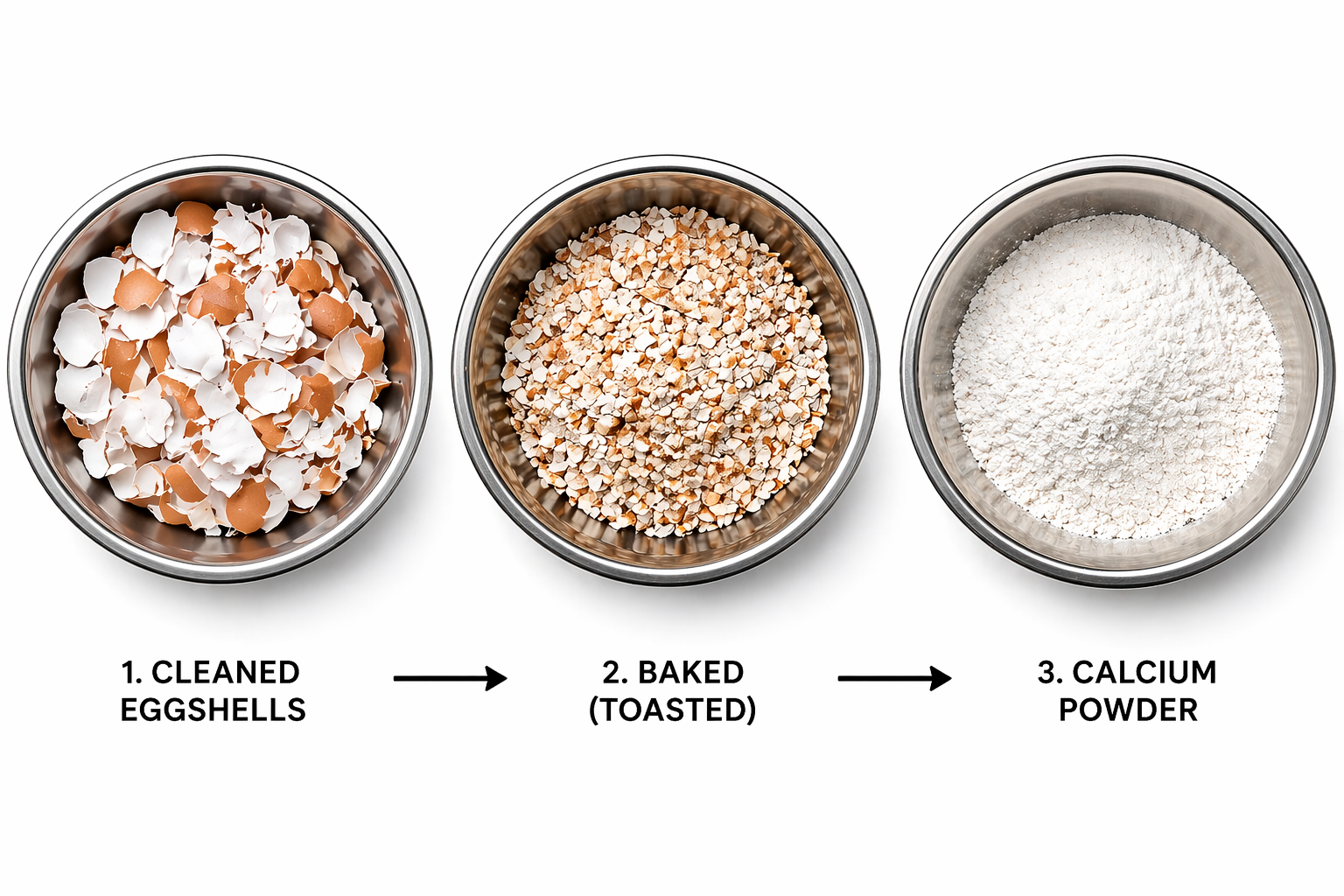
Calcium is one of the most important parts of homemade dog food because cooked meals do not include bones.
Common examples:
- Eggshell powder
- Sea-Cal
- Sardines
- Yogurt
Organ Meats
Organ meats are packed with vitamins and minerals, but they should still be used in moderation.
Common examples:
- Liver
- Heart
- Kidney
- Gizzards
Common Beginner Mistakes
One of the biggest mistakes people make with homemade dog food is feeling like every meal has to be perfectly balanced. We used to think that way too.
Over time, we started looking at Layla’s meals more like feeding a child. Not every meal has to contain every nutrient or ingredient. Some days may include more vegetables, different proteins, or extra snacks. What matters most is variety and balance over time.
Here are some commonly made mistakes:
- Trying to make every meal perfect
- Not understanding the importance of calcium
- Feeding too many of the same foods
- Switching foods too quickly
- Overcomplicating meal prep
- Buying too many ingredients without a plan
You Do Not Need Perfect Meals
One of the biggest mistakes beginners make is thinking every meal needs to be perfectly balanced.
In reality, balance usually happens over time.
Some meals may have more vegetables. Some may have more protein. Some days may include more snacks, eggs, sardines, or organ meats than others.
The goal is not to make every bowl exactly the same.
The goal is to create better balance across days and weeks.
Start With These Pages
This is a paragraph. Writing in paragraphs lets visitors find what they are looking for quickly and easily. Make sure the title suits the content of this text.
See what Layla typically eats in a day, including meals, supplements, and snacks.
Weekly Meal Prep
Learn how we prep Layla’s meals every few days and keep everything organized.
Ingredients
Explore the foods we use most often, from proteins and vegetables to fruits and snacks.
Learn more about calcium, fish oil, probiotics, organ meats, and other supplements.
Read about how we transitioned Layla from kibble and what we learned along the way.
Learn more about balance over time, calcium, meal variety, & homemade dog food basics.
See the biggest lessons, mistakes, and things we would do differently.
Meet Layla and learn more about her rescue story and how she inspired this site.
Frequently Asked Questions
These are some of the most common questions people have when they first start learning about homemade dog food.
Does every homemade dog food meal need to be balanced?
No. Homemade dog food is usually better thought of as balance over time instead of perfection in every bowl.
Do dogs need carbs?
Carbs are optional and sometimes controversial, but many people still use them because they can make meals more filling and affordable.
Why is calcium important in homemade dog food?
Cooked homemade meals do not include bones, so calcium often needs to be added separately through eggshell powder, Sea-Cal, or another calcium source.
Are vegetables necessary for dogs?
Vegetables are not usually the biggest part of the meal, but they can add fiber, nutrients, hydration, and variety.
Should I rotate proteins?
Yes. Rotating proteins can help provide more variety and keep your dog from eating the exact same thing all the time.
Latest From Layla's Bowl
See the latests articles and posts from Layla's Bowl.